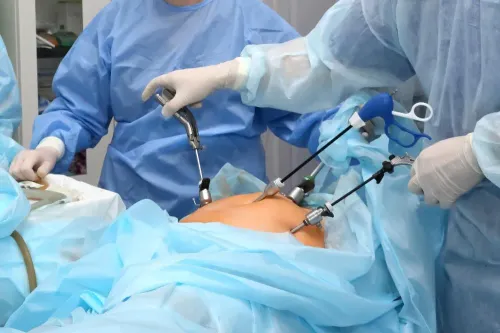
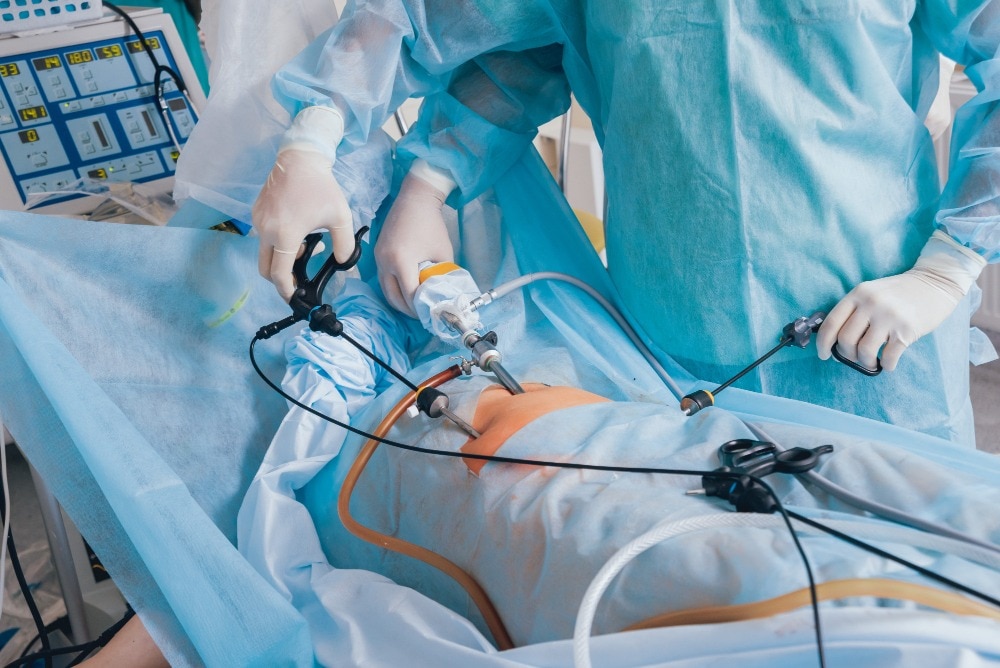
The right choice depends on the condition being treated, the size and location of the disease, your medical risks, and whether you want a future pregnancy. By the end, you will know which operations laparoscopy can cover, when another approach is safer, and what to ask before consenting.
Key takeaways
- Laparoscopy fits conditions needing pelvic diagnosis or treatment beyond medicines and office procedures.
- Your diagnosis determines whether you need laparoscopy, hysteroscopy, vaginal surgery or open surgery.
- Review anaesthesia risks, previous operations, medicines and medical conditions before scheduling surgery.
- Ask about admission time, recovery limits, pain control, warning signs and follow-up appointments.
When does a gynecological problem justify laparoscopy?
Laparoscopy is justified when a confirmed or strongly suspected pelvic condition needs a diagnosis or treatment that monitoring, medicines, or an office procedure cannot provide. It can investigate chronic pelvic pain, suspected endometriosis, and infertility-related tubal problems, and treat ovarian cysts, ectopic pregnancy, blocked or damaged tubes, selected fibroids, and some conditions requiring hysterectomy.
| Condition | What laparoscopy can do | When another approach is better |
|---|---|---|
| Chronic pelvic pain or suspected endometriosis | Inspect the pelvis and remove visible endometriosis or adhesions | Try pain treatment and hormonal therapy first when symptoms are manageable |
| Ovarian cyst | Remove the cyst while preserving ovarian tissue, or remove the ovary when necessary | Monitor a small, simple, symptom-free cyst; refer suspicious masses for specialist cancer planning |
| Ectopic pregnancy | Remove the affected tube or, in selected cases, open the tube and remove the pregnancy | Use medication when criteria are met, or urgent surgery for rupture or instability |
| Fibroid | Remove selected fibroids while preserving the uterus | Choose medicines, uterine-artery treatment, hysteroscopy, or open surgery according to size and location |
| Infertility or tubal disease | Assess tubal patency and treat selected tubal problems | Use non-surgical fertility treatment when surgery will not improve the chance of pregnancy |
Laparoscopy is usually preferable when you are medically stable, imaging supports a treatable problem, and keyhole access offers less tissue disruption than open surgery. Monitoring remains sensible for mild symptoms or a benign-appearing cyst.
If you are asking “is laparoscopic gynecological surgery right for me pimple saudagar,” seek urgent assessment—not a routine consultation—after fainting, shock, heavy bleeding, fever, or severe pain suggesting a ruptured ectopic pregnancy.
Which laparoscopic operation and surgical route fit the diagnosis?
The diagnosis and your fertility plan determine which laparoscopic gynecological surgery options fit—not the location of the practice or the word “laparoscopy” alone.
| Option | What it does | When it fits |
|---|---|---|
| Diagnostic laparoscopy | Inspects the pelvis and may take biopsies | Unexplained chronic pelvic pain, infertility-related tubal assessment or suspected endometriosis |
| Ovarian cystectomy | Removes a cyst while preserving ovarian tissue | A symptomatic or persistent benign-appearing cyst; observation may be better for a small, simple, symptom-free cyst |
| Endometriosis surgery | Excises or ablates visible lesions and may remove an endometrioma | Pain or infertility linked to endometriosis after discussing recurrence and ovarian-reserve risks |
| Tubal procedures | Salpingectomy removes a tube; salpingostomy opens it to remove an ectopic pregnancy while retaining the tube | Ectopic pregnancy or selected tubal disease; treatment depends on bleeding, tube damage and fertility plans |
| Myomectomy | Removes fibroids and preserves the uterus | Fibroid-related bleeding, pressure or fertility problems when uterine preservation matters |
| Hysterectomy | Removes the uterus, with or without tubes and ovaries | Definitive treatment when childbearing is complete and symptoms justify it |
Another route can be better. Hysteroscopy suits fibroids or polyps inside the uterine cavity; it uses the vagina and cervix, without abdominal incisions. Vaginal hysterectomy can avoid abdominal cuts, while open surgery may offer safer removal for a very large uterus, extensive adhesions or a suspicious mass.
Medication, a levonorgestrel intrauterine system, uterine-artery embolisation or endometrial ablation may suit heavy bleeding when surgery is unnecessary. A suspected cancer requires gynecologic-oncology planning, not routine cystectomy.
What factors determine whether laparoscopy is safe for me?
A scan does not make laparoscopy safe by itself. Your surgeon must match the operation to the suspected diagnosis, the findings on ultrasound or MRI, and your medical risk.
- Diagnosis and imaging: A simple-appearing ovarian cyst, accessible fibroid, suspected endometriosis or ectopic pregnancy may suit keyhole treatment. A very large cyst, solid areas, irregular walls, extensive fibroids or unclear anatomy can reduce visibility and make open surgery safer.
- Fertility plans: Tell the surgeon whether you want pregnancy later. The plan may change to preserve the ovary, remove only a cyst, protect ovarian tissue during endometriosis surgery, or choose salpingostomy instead of removing a fallopian tube. Ask how the operation could affect ovarian reserve and future conception.
- Previous surgery and adhesions: Caesarean sections, appendectomy, bowel surgery or earlier laparoscopy can leave adhesions that bind the bowel, bladder or uterus to the abdominal wall. Dense adhesions increase the chance of organ injury, prolonged surgery or conversion to an open incision.
- Anaesthesia risk: The team reviews heart or lung disease, severe obesity, diabetes, blood-thinning medicines, bleeding disorders, previous blood clots, allergies and earlier anaesthesia problems. Laparoscopy uses general anaesthesia and carbon dioxide inflation, which can be unsafe without medical optimisation.
- Possible cancer: A suspicious mass may require a cancer-focused plan to prevent spillage and obtain proper staging. If visibility is poor, bleeding is uncontrolled, adhesions are dense, or unexpected cancer appears, the surgeon may convert to open surgery. That is a safety decision, not a failed operation.
What should I establish during a gynecological surgery consultation in Pimple Saudagar?
A gynecological surgery consultation in Pimple Saudagar should produce a named diagnosis, a defined surgical objective, and a fallback plan—not just a recommendation for “keyhole surgery.” Expect a medical history, abdominal and pelvic examination, and review of your transvaginal ultrasound or other imaging. Ask which finding makes surgery necessary.
Tests depend on the operation and your health. Clarify whether you need a urine or blood pregnancy test, complete blood count, blood group and Rh typing, kidney tests, electrocardiogram, or anaesthesia assessment.
If endometriosis or ovarian surgery is planned, ask whether antral follicle count or anti-Müllerian hormone testing would help discuss ovarian reserve; these tests do not predict pregnancy on their own.
Put fertility questions in writing:
- Will this procedure preserve the uterus, ovaries and fallopian tubes?
- Could removing an endometrioma or part of an ovary reduce ovarian reserve?
- Should you try to conceive, freeze eggs, or consult a fertility specialist before surgery?
- For tubal surgery, will the result improve pregnancy chances, and what ectopic-pregnancy risk remains?
Then ask the gynec laparoscopic surgeon in Pimple Saudagar about experience with your exact operation, formal laparoscopic training, expected blood loss, complication and open-conversion rates, pathology handling, hospital stay, and access to anaesthesia, blood bank, imaging and intensive care. Verify medical registration through India’s National Medical Commission.
If you consult Dr Sonal Patil-Best Gynecologist Pimple Saudagar, use these same questions to compare diagnosis, fertility planning and hospital support rather than choosing by location alone.
Related service
Gynec Laparoscopic Surgeon in Pimple Saudagar Gynec Laparoscopic Surgeon in Pimple Saudagar,Rahatani,PCMC Dr Sonal Patil is the Reliable Gynec Laparoscopic Surgeon in Pimple Saudagar, Rahatani, Pimple Nilakh and PCMC. View service → |
How do preparation, admission and recovery affect the decision?
The practical burden can change the decision as much as the operation itself. Arrange leave from work, help with children or dependants, and an adult escort before confirming a date; recovery is not always compatible with being alone the first night.
- Give the team every medicine, supplement, allergy, previous anaesthetic problem, blood clot, heart or lung condition, and pregnancy possibility. Ask exactly when to stop or adjust anticoagulants, diabetes medicines, or other prescriptions; do not change them yourself.
- Follow the hospital’s fasting times. Instructions commonly allow no solid food for six hours and clear fluids until two hours before general anaesthesia, but your anaesthetist’s instructions take priority.
- Read the consent form before admission. It should cover the planned procedure, alternatives including no surgery, fertility or ovarian-preservation effects, bleeding and organ-injury risks, pathology testing, and conversion to open surgery.
- Expect general anaesthesia, carbon-dioxide inflation, and monitoring in recovery. Some procedures finish as day surgery; others require an overnight stay.
- Arrange a responsible adult to take you home. You must not drive, cycle, travel alone, or make important decisions soon after anaesthesia.
After discharge, allow for incision discomfort, fatigue, and shoulder-tip pain from carbon dioxide. Obtain written instructions for medicines, wound care, activity limits, warning signs, and the follow-up date; contact the hospital urgently for heavy bleeding, fever, worsening pain, breathlessness, or repeated vomiting.
Frequently asked questions
When does a gynecological problem justify laparoscopy?
Laparoscopy is considered when a confirmed or strongly suspected pelvic condition needs diagnosis or treatment that monitoring, medicines or an office procedure cannot provide. Examples include chronic pelvic pain, suspected endometriosis, infertility-related tubal problems, ovarian cysts, ectopic pregnancy, damaged tubes, selected fibroids and some hysterectomies.
Which laparoscopic operation and surgical route fit the diagnosis?
The diagnosis determines the operation and route. Possible options include diagnostic laparoscopy, ovarian cyst removal, treatment of endometriosis, ectopic pregnancy surgery, tubal surgery, selected fibroid procedures and laparoscopic hysterectomy. Hysteroscopy, vaginal surgery or open abdominal surgery may be more suitable for other conditions.
What factors determine whether laparoscopy is safe for me?
Your surgeon reviews the diagnosis, previous abdominal operations, anaesthesia history, heart or lung disease, bleeding disorders, medicines such as anticoagulants, pregnancy status and body weight. They also assess infection, imaging findings and whether open surgery could become necessary.
What should I establish during a gynecological surgery consultation in Pimple Saudagar?
Ask what diagnosis is being treated, why laparoscopy is recommended, which alternatives exist, what the procedure involves, whether tissue will be sent for testing, what complications are possible and when conversion to open surgery could occur. Confirm the surgeon, anaesthetist, hospital, total estimated costs and follow-up plan.
How do preparation, admission and recovery affect the decision?
Confirm fasting instructions, medicine changes, required blood tests or imaging, transport home and whether an overnight stay is expected. Ask when you can walk, work, drive, exercise and have sex, how pain will be managed, and which symptoms require urgent medical attention.
Keywords